
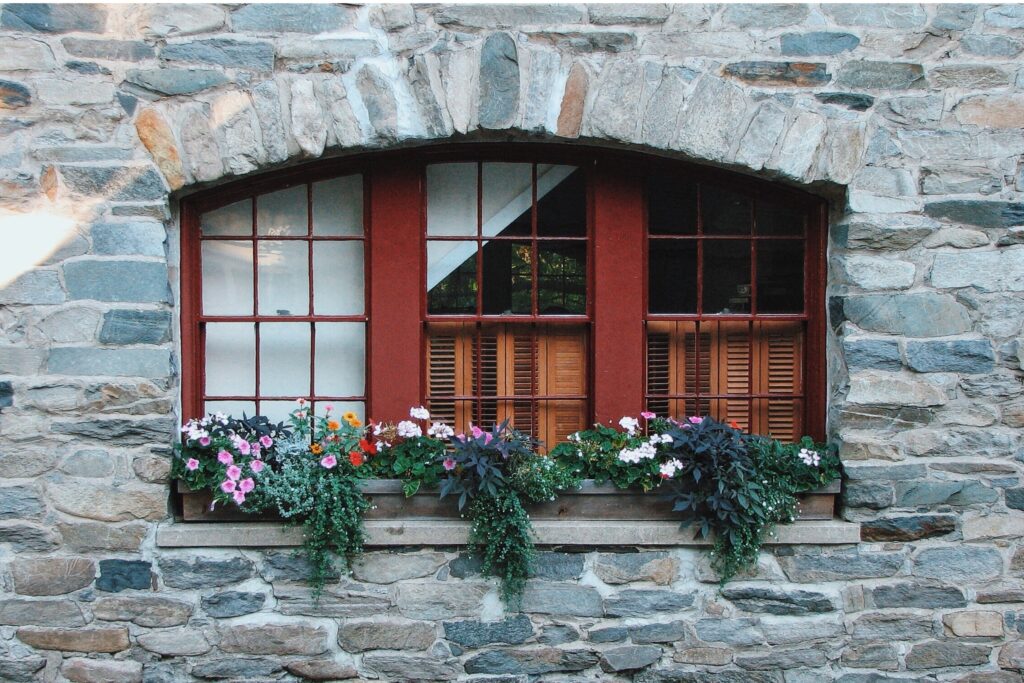
Your stone or brick façade is one of the most important features of your property. It protects the structure from weather, adds character, and contributes significantly to curb appeal. However, like any exterior building material, masonry surfaces experience wear and tear over time. Regularly inspecting your stone and brick façade can help you catch small issues before they turn into costly structural problems.
At JLM Masonry & Waterproofing, we encourage homeowners and property managers to periodically check their masonry surfaces for signs of damage. Understanding what to look for can help you maintain the beauty and integrity of your building for years to come.
Why Regular Masonry Inspections Matter
Brick and stone are known for their durability, but they are not immune to environmental stress. Exposure to rain, freeze-thaw cycles, humidity, and pollution can gradually weaken mortar joints and masonry units. When small cracks or deterioration go unnoticed, water can begin to penetrate the structure. Over time, this moisture infiltration can lead to mold growth, interior damage, and even structural instability.
Routine inspections help identify these issues early. Addressing minor repairs such as repointing mortar or sealing cracks can prevent larger and more expensive restoration projects later.
Common Signs of Wear and Tear on Masonry
When examining your building’s exterior, there are several common warning signs that your stone or brick façade may need attention.
Cracked Bricks or Stones
Cracks can form due to settling foundations, thermal expansion, or weather-related stress. While hairline cracks may seem minor, they can allow moisture to enter the masonry system and cause further damage.
Deteriorating Mortar Joints
Mortar holds the bricks or stones together, but it often deteriorates faster than the masonry units themselves. If the mortar appears crumbly, recessed, or missing in areas, it may be time for repointing.
Efflorescence
Efflorescence appears as a white, powdery substance on the surface of brick or stone. It occurs when water moves through the masonry and brings dissolved salts to the surface. While it may seem cosmetic, it often indicates moisture issues behind the wall.
Bulging or Bowing Walls
A wall that appears to be bulging or leaning outward is a serious concern. This could signal structural movement or trapped moisture behind the masonry veneer. Immediate professional evaluation is recommended in these cases.
Spalling
Spalling occurs when the surface of a brick or stone begins to flake or peel away. This is often caused by water entering the masonry and freezing, which expands and forces the surface layer to break off.
Areas That Require Extra Attention
Certain parts of a masonry façade tend to experience more wear than others. When conducting an inspection, pay close attention to areas around windows and doors, as these openings are more susceptible to water infiltration. The base of walls, where masonry meets the ground, is also a common problem area due to constant exposure to moisture.
Additionally, inspect areas near rooflines, chimneys, and gutters. Poor drainage or leaking gutters can direct water onto masonry surfaces, accelerating deterioration.
Seasonal Changes and Masonry Damage
In regions that experience cold winters, freeze-thaw cycles are one of the leading causes of masonry damage. When water enters small cracks in brick or mortar and freezes, it expands. Repeated freezing and thawing can gradually enlarge cracks and weaken the structure.
Spring and fall are excellent times to inspect your masonry. After winter, you can identify any damage caused by freezing temperatures. Before winter arrives, you can address small issues to prevent them from worsening during the colder months.
When to Call a Masonry Professional
While property owners can perform basic visual inspections, certain issues require professional evaluation. If you notice widespread cracking, shifting bricks, deteriorating mortar across large areas, or signs of water intrusion inside the building, it is best to contact a masonry specialist.
Professional masons have the expertise to diagnose underlying problems and recommend the most effective repair methods. Services such as tuckpointing, waterproofing, lintel replacement, and façade restoration can significantly extend the life of your masonry.
Protecting Your Investment
Your stone or brick façade is a long-term investment in your property’s durability and appearance. With routine inspections and timely maintenance, masonry can last for generations.
At JLM Masonry & Waterproofing, we specialize in identifying and repairing masonry damage before it escalates. Our team provides expert assessments, high-quality repairs, and effective waterproofing solutions designed to protect your building from the elements.
If you suspect your masonry may be showing signs of wear, scheduling a professional inspection can provide peace of mind and help safeguard your property for years to come.